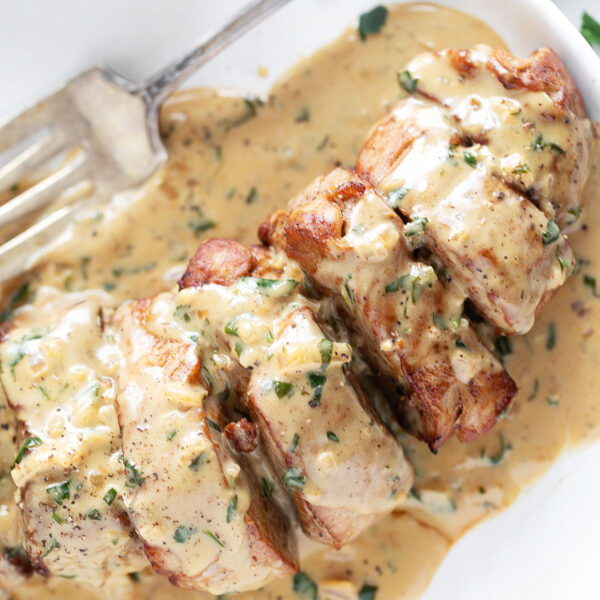
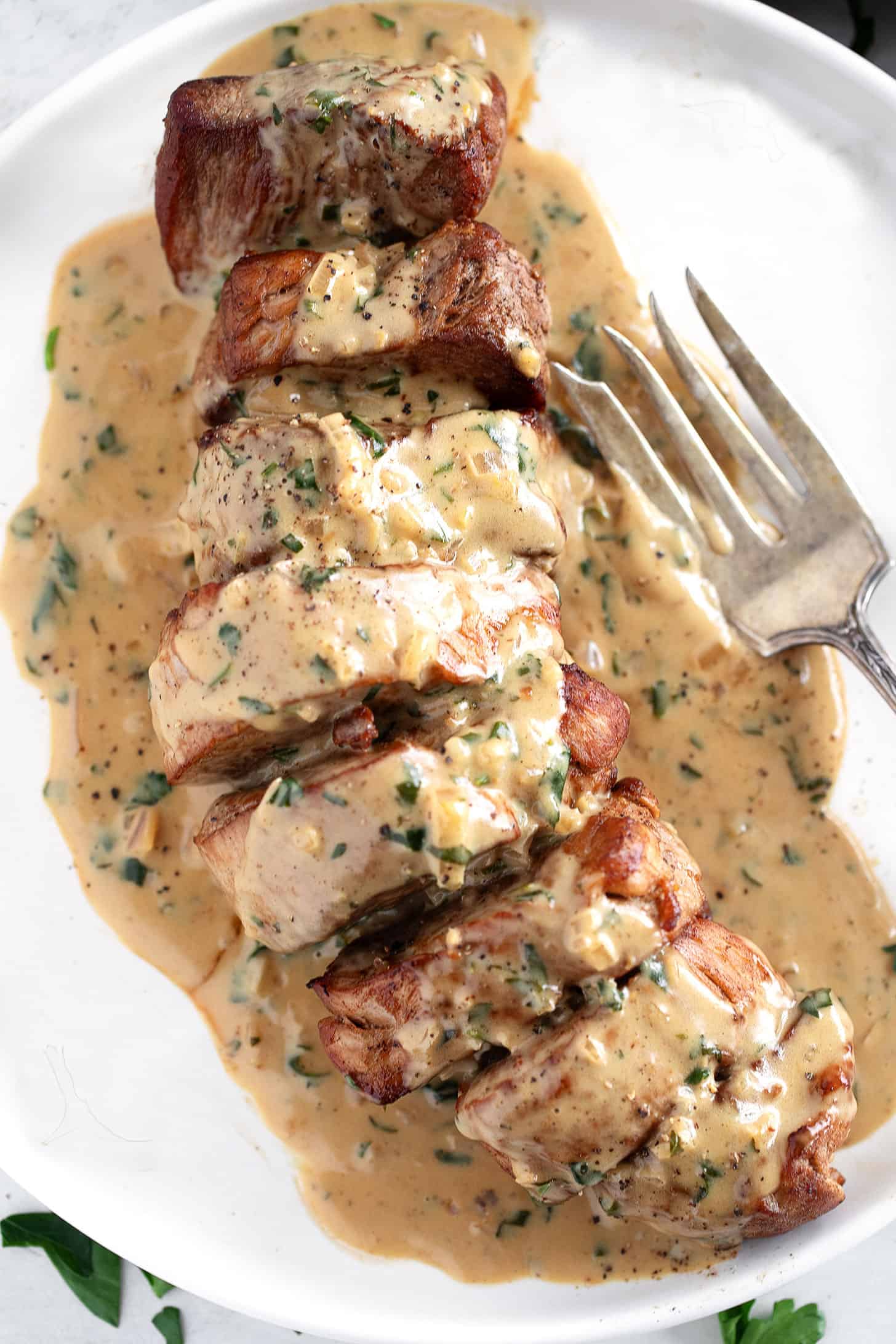
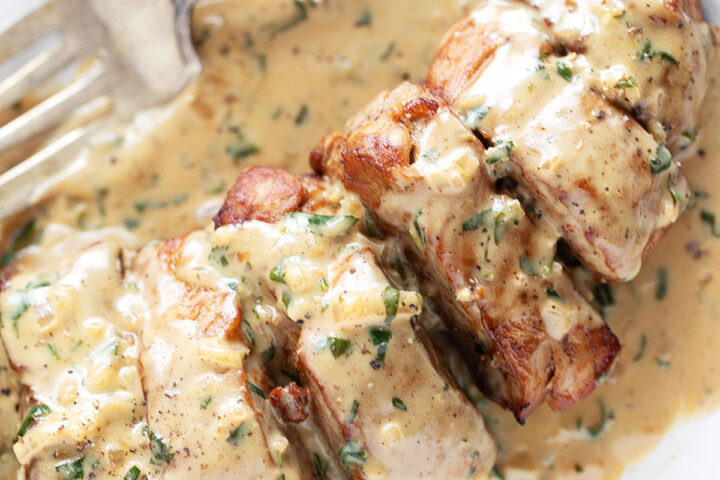
Pork tenderloin medallions are served with an easy and delicious creamy Dijon mustard sauce, for a meal that is both quick and easy enough for a weeknight, but is also company-worthy! The twice-seared method of cooking the pork tenderloin ensures the pork is always tender and juicy.
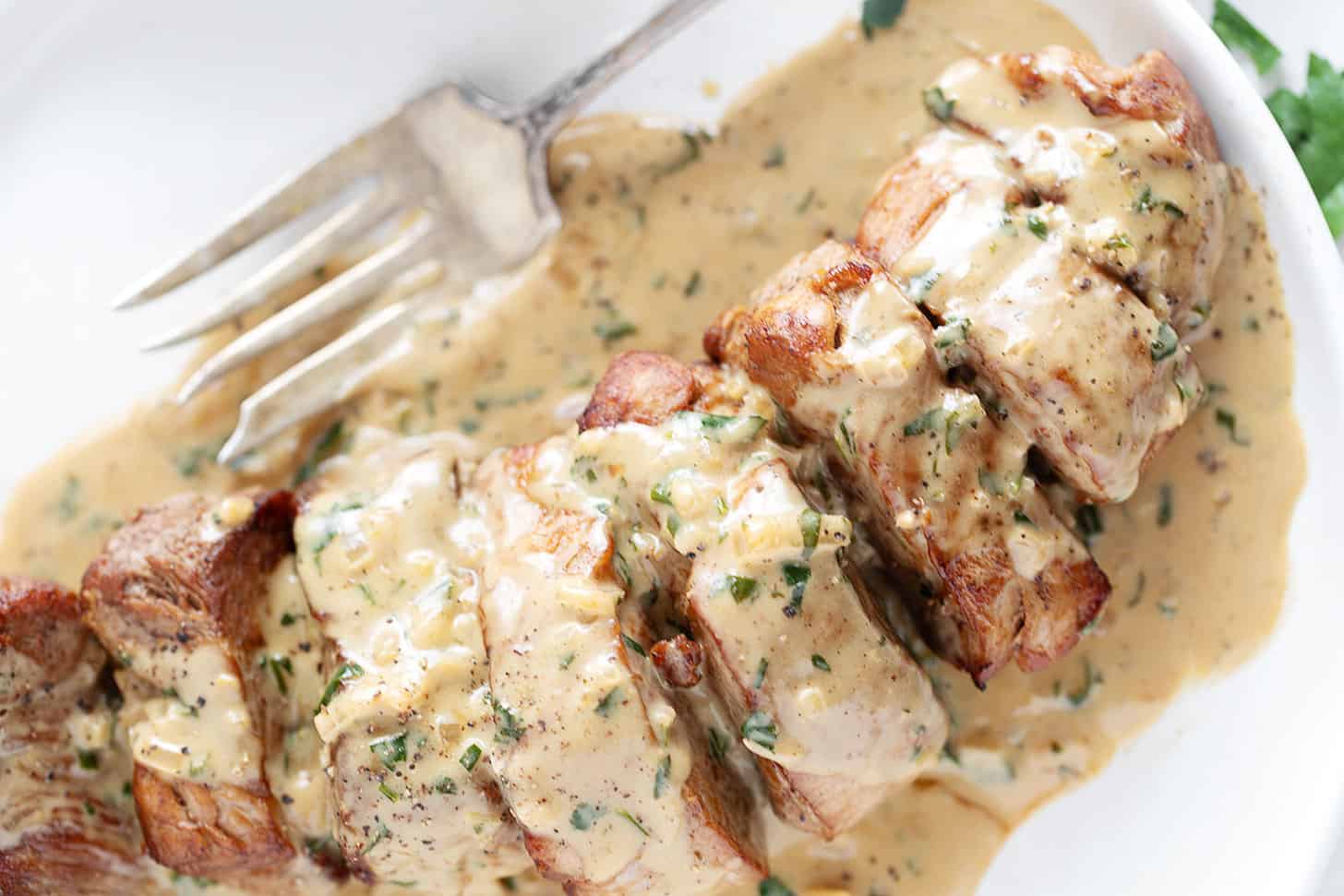
These pork tenderloin medallions with a creamy mustard sauce are a wonderful way to turn a simple pork tenderloin into a quick, skillet dinner that feels a little bit special.
Tender, twice-seared pork medallions stay juicy and never dry, thanks to a hot pan and a gentle finish. The creamy Dijon mustard sauce is made right in the same skillet with white wine, chicken broth, and heavy cream, so you get big flavour with just a few pantry ingredients.
Everything cooks on the stovetop in about 35 minutes, making this pork medallion recipe easy enough for a weeknight, but nice enough for company. Just add mashed potatoes and a green vegetable for a lovely, complete dinner.
- No oven needed.
- Weeknight-friendly
- Company-worthy
- Ready in 35 minutes!
Love pork medallion recipes?
You might want to try these pork medallions recipes next! Pork Marsala, Pork Diane or Mustard Pork.
Ingredients and substitutions
You’ll need pork tenderloin, Dijon, cream, white wine, chicken broth, shallots, butter and olive oil.
A few notes about the key ingredients …
Pork tenderloin – Pork tenderloin is the oblong cut of pork, usually just a couple of inches thick. It is lean and tender when cooked. To prepare a pork tenderloin, use a sharp knife to remove the silverskin that runs along one side.
Shallot – Shallot is recommended if you have one on hand. If not, substitute yellow onion together with a small clove of garlic.
Dijon mustard – I recommend a smooth, good-quality Dijon mustard, such as Maille. In a pinch, a grainy Dijon mustard will work here as well.
Heavy Cream – aka whipping cream. Heavy cream is recommended as the high fat content prevents the sauce from splitting when combined with the acidic mustard. The thicker heavy cream also contributes to the texture of the sauce. While you can use a lighter cream, understand that it may split. It will also produce a thinner sauce, though you can thicken it with a cornstarch and water slurry.
White wine – Use any dry white wine that you enjoy or have on hand. If you don’t have wine or prefer not to use it, simply replace the wine with an equal amount of additional chicken broth. If skipping the wine, consider a slight squeeze of lemon at the end of cooking for an acidic note.
How to make pork medallions with Dijon mustard sauce: step-by-step
This is a visual summary of the steps to make this recipe. Scroll down to the Recipe Card below for the complete list of ingredients and instructions.
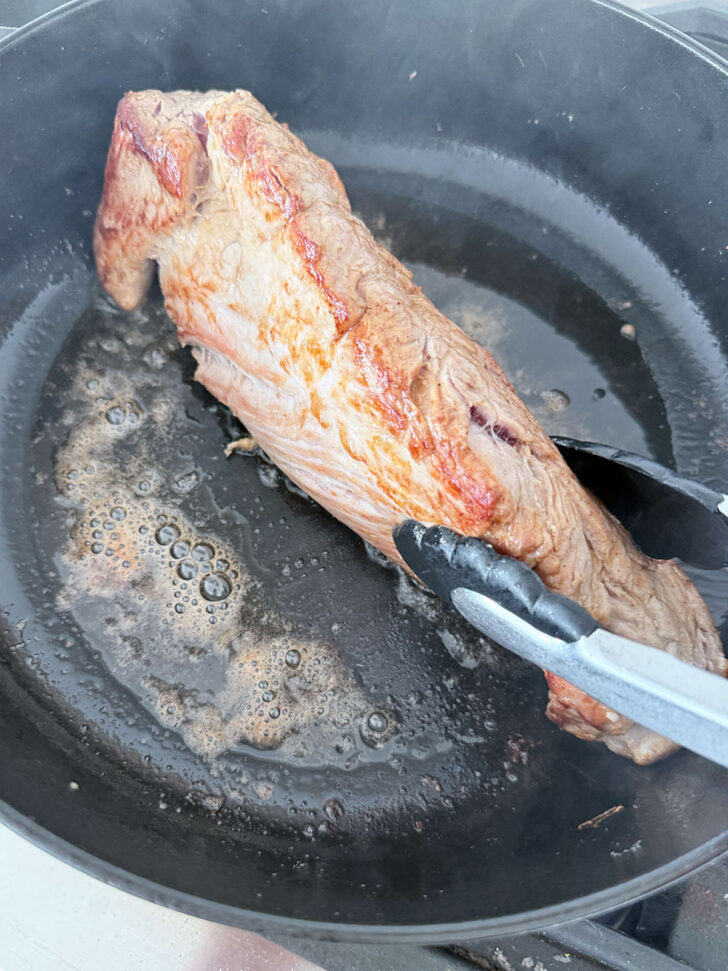
Step 1: Sear the whole pork tenderloin on all sides in a hot skillet.
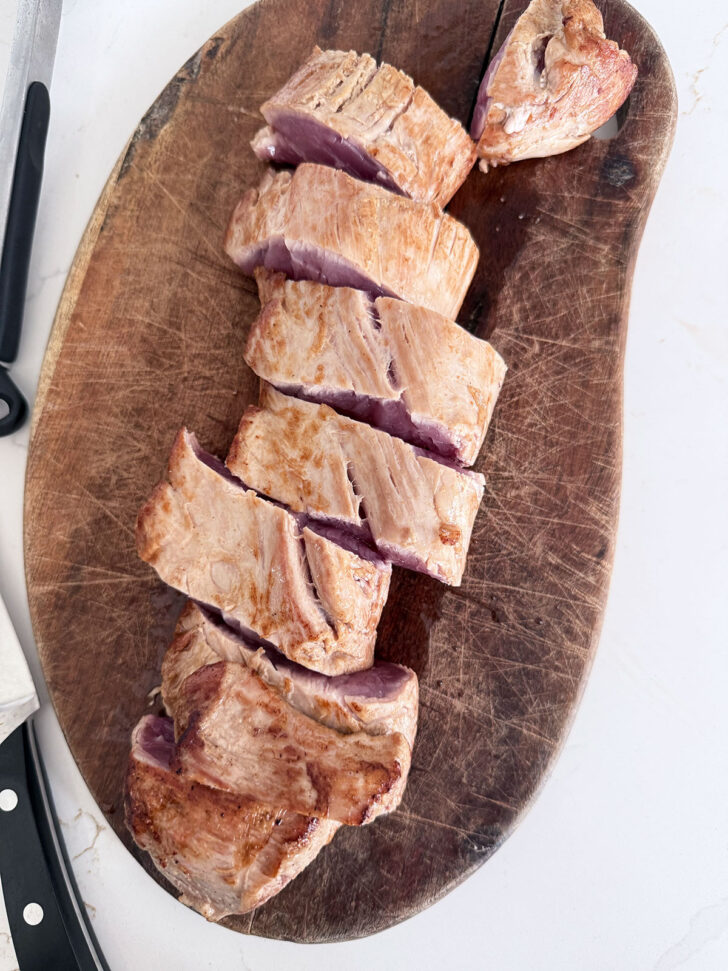
Step 2: Slice the seared pork tenderloin into 1-inch medallions.
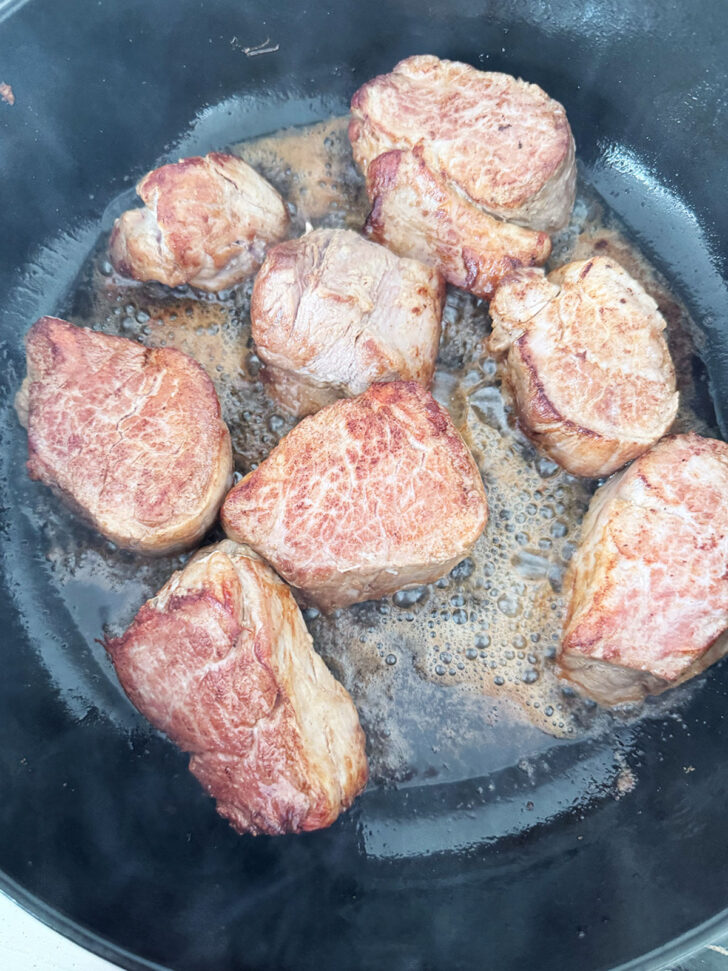
Step 3: Return the medallions to the hot skillet and sear well, flipping regularly.
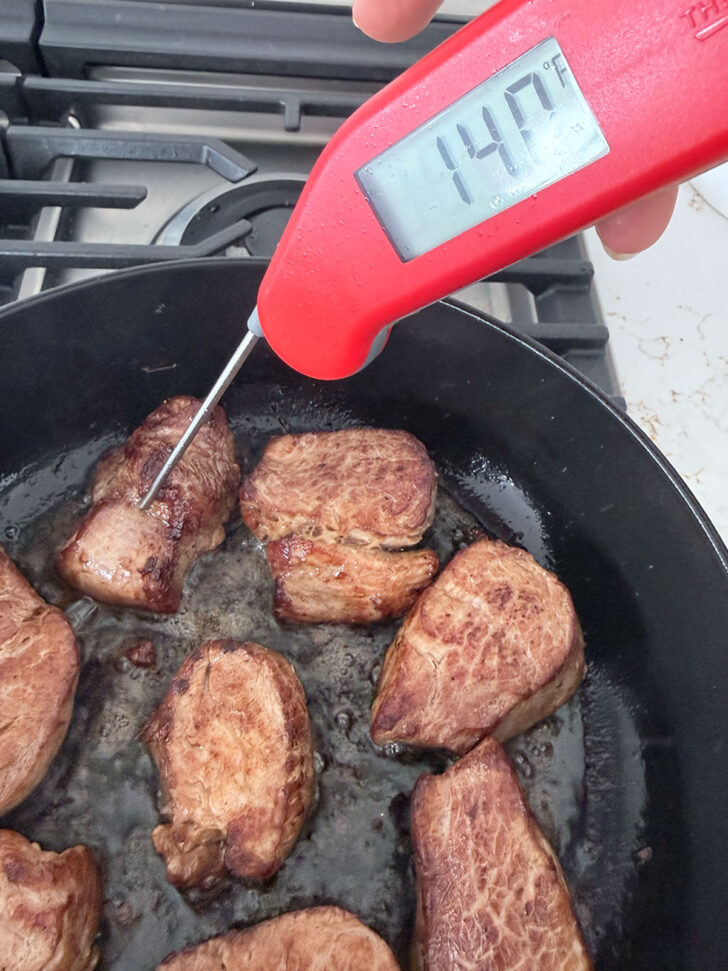
Step 4: Use a thermometer to check the pork. Cook until it reaches 145F.
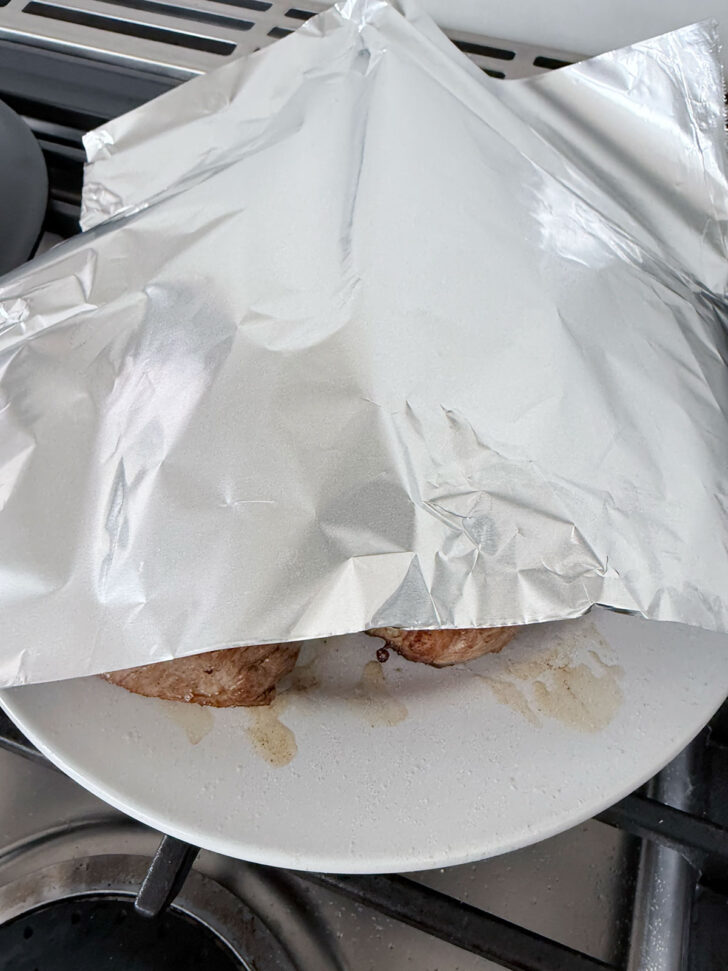
Step 5: Remove the pork medallions to a plate and cover with foil to keep warm.
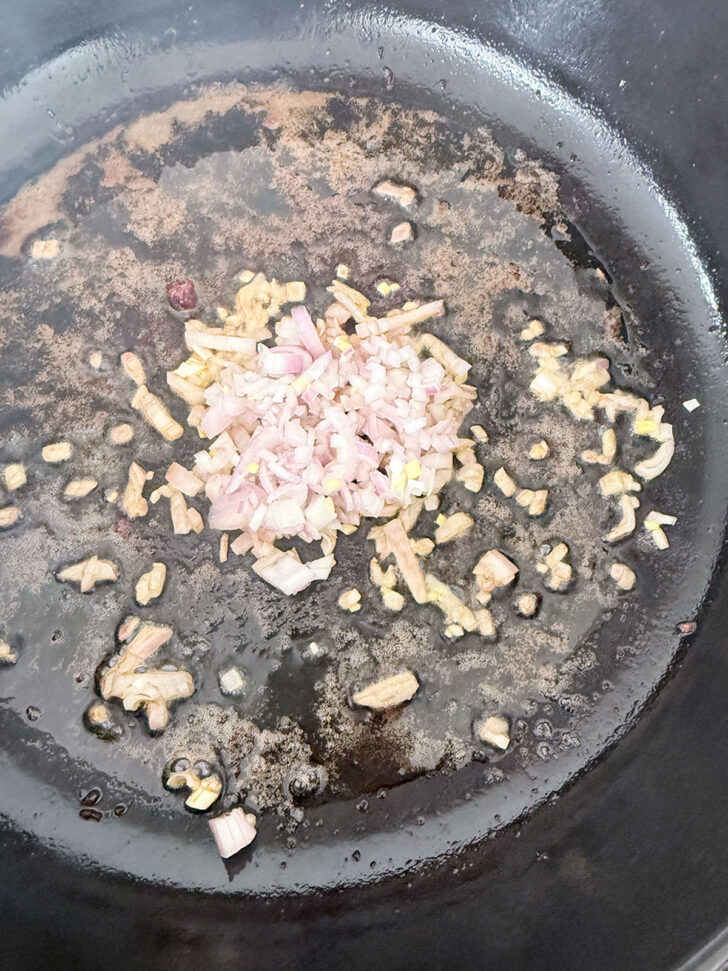
Step 6: In the same pan, add the shallot and cook briefly, then deglaze the pan with the wine.
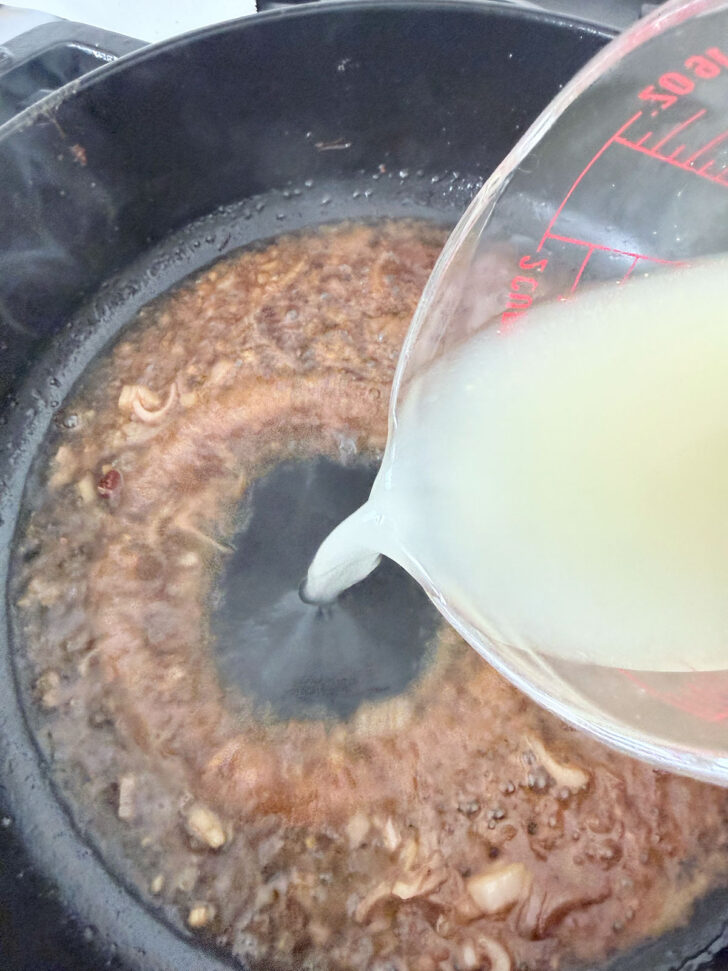
Step 7: Add the chicken broth to the skillet.
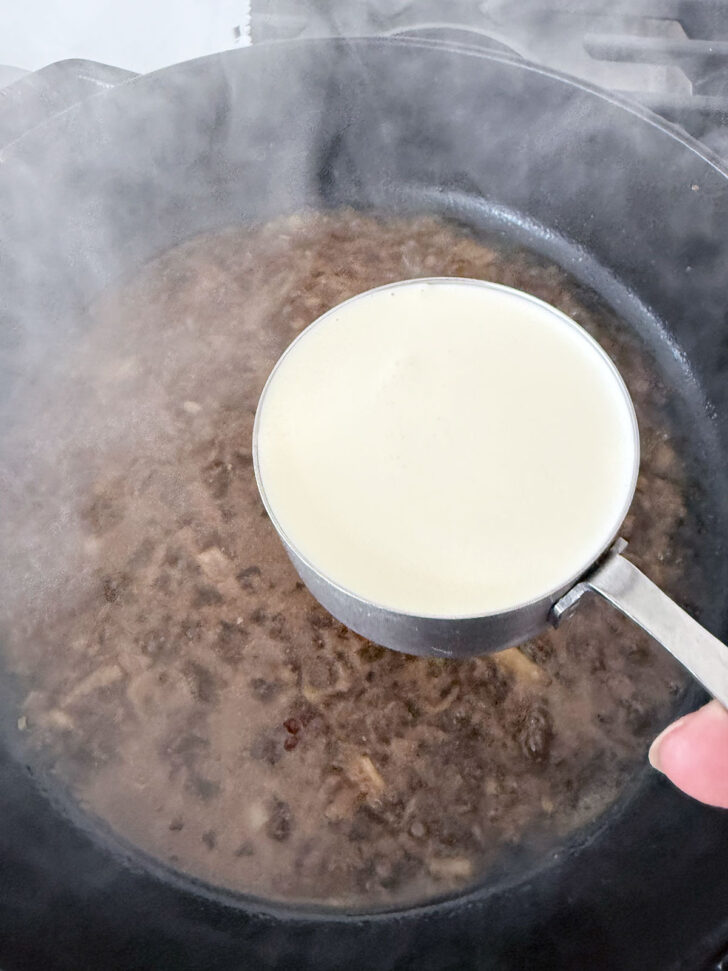
Step 8: Add the cream to the sauce.
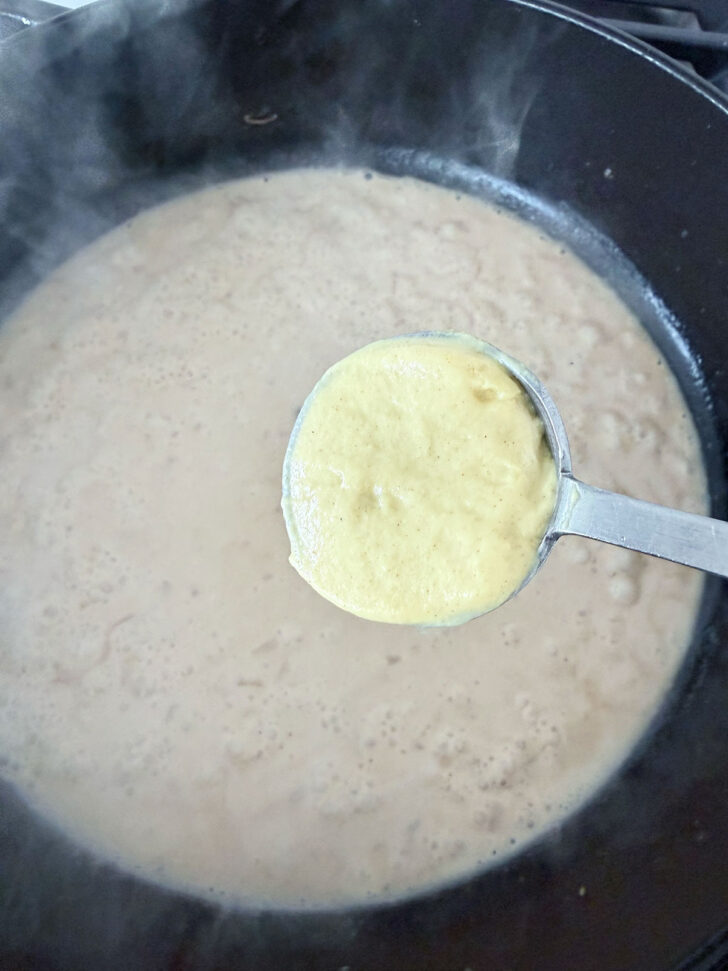
Step 9: Add the Dijon mustard to the sauce.
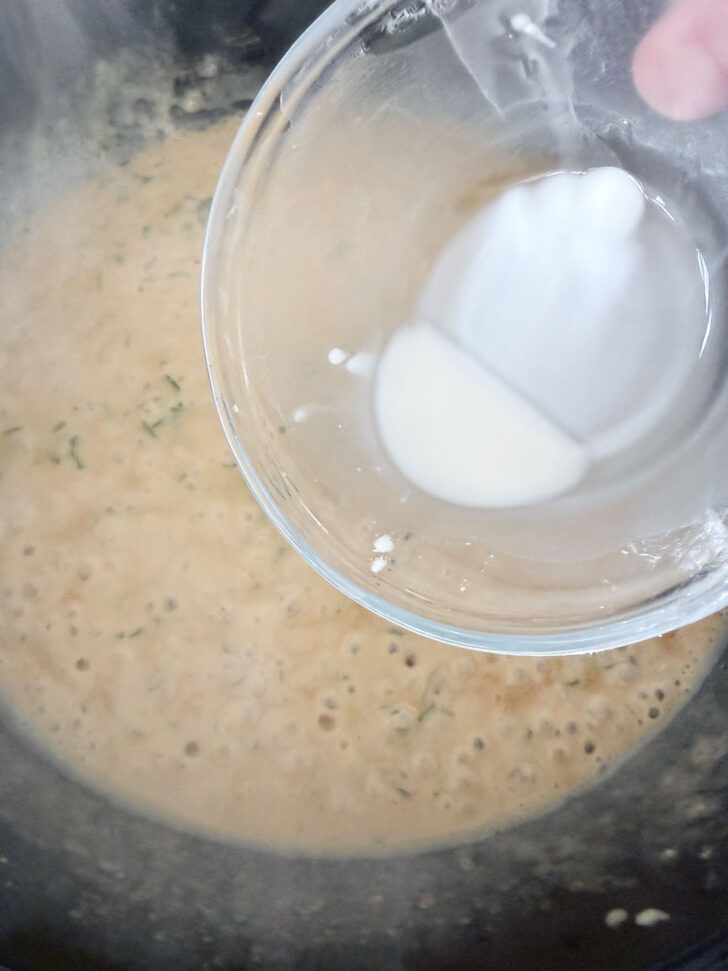
Step 10: Add the parsley, then thicken the sauce with a cornstarch slurry, as needed.
Recipe video
Recipe tips!
- Don’t cut the medallions too thick! As the pork cooks entirely on the stovetop, if the medallions are thicker, it will be difficult to cook the pork all the way through. Stick closely to the recommended 1-inch thickness.
- Be sure that the pork cooks to 145F internal temperature. An instant-read thermometer is the best tool to gauge this. If you don’t have a thermometer, the best test is to slice into the centre of the pork and check the colour. At 145F, the centre should be just slightly pink, and the juices should run clear.
- This dish is best enjoyed freshly cooked, as making ahead and rewarming risks over-cooking the pork. If you absolutely need to make it ahead, keep the pork and sauce separate and refrigerated and undercook the pork just slightly. Rewarm the pork medallions in a skillet over low heat until warmed through, and rewarm the sauce in a saucepan.
Serving suggestions
The delicious mustard sauce is lovely with mashed potatoes. Roasted potatoes, like my Crispy Skillet Roasted Potatoes, would be another option. These easy and delicious Salt Potatoes would also work well. Beyond potatoes, rice (maybe a wild rice mix?) or cauliflower rice would be another option.
For a vegetable, oven-roasted broccoli, asparagus or carrots would be both easy and a nice addition to the plate. Simply toss in a bit of olive oil and roast in a 425F oven until tender.
FAQ
This dish is best enjoyed freshly cooked, as reheating can overcook the pork and dry it out. If you need to make it ahead, slightly undercook the pork medallions, keep the pork and sauce refrigerated in separate containers, and gently rewarm the pork in a skillet over low heat and the sauce in a small saucepan before serving.
Yes, you can skip the wine and use extra chicken broth instead. You may want to add a small squeeze of lemon at the end to bring back a bit of the brightness that the wine would have added.
You can use a lighter cream, but the sauce is more likely to split and will be thinner. Heavy cream (whipping cream) is recommended because the higher fat content keeps the sauce smooth and silky when combined with the Dijon mustard and wine; if you do use lighter cream, you may need extra cornstarch slurry to thicken it.
Want to save this recipe?
Enter your email and I’ll send it to your inbox. Plus, you’ll get great new recipes from me every week!
By submitting this form, you consent to receive emails from Seasons and Suppers.
You can unsubscribe at any time.
Get the Recipe: Pork Medallions with Creamy Dijon Mustard Sauce
Ingredients
Pork:
- 1 – 1 1/2 lb pork tenderloin, silver skin and visible fat removed
- 2 Tablespoons extra virgin olive oil, DIVIDED
- 2 Tablespoons butter, DIVIDED
Dijon Mustard Sauce:
- 1/4 cup shallot, diced, or yellow onion together with a small clove of garlic
- 1/2 cup dry white wine, or more chicken broth
- 3/4 cup chicken broth
- 1/2 cup heavy whipping cream, 35% b.f. *see Note 1 below
- 1 Tablespoon Dijon mustard, or more to taste
- 1 Tablespoon fresh parsley, chopped or 1 teaspoon dried parsley
- 1/4 teaspoon salt
- freshly ground pepper
- 1 Tablespoon cornstarch
- 1 Tablespoon cold water
Instructions
- Prepare the pork tenderloin by removing the silver skin and any visible fat. Season the pork with salt and pepper.
- Heat a stainless steel or cast-iron skillet over medium-high heat for 1 minute, then add 1 Tablespoon of butter and 1 Tablespoon of olive oil. When the butter foaming subsides, add the pork to the skillet, curving it if necessary, so it lies flat. Brown it well on all sides (top, bottom and both sides), for about 5-6 minutes total.
- Remove the pork to a cutting board and slide the skillet off the heat for a minute. Cut the pork tenderloin into 1-inch thick slices.
- Return the skillet to the heat, over medium-high heat. Add 1 Tablespoon of butter and 1 Tablespoon of olive oil to the skillet. When the butter has melted, return the pork slices to the skillet and brown well on all sides, about 2-3 minutes on each side. (I like to further brown the side edges a bit more, too.)
- The pork should be cooked through at this point. If you have an instant-read thermometer, you can check them. They should be 140-143F internal temperature. (The temperature will rise a few degrees as it rests.) If you don't have a thermometer, the best test is to cut into the centre of the medallion and check the colour. It should be only light pink in the centre, and the juices should run clear. Remove the pork slices to a warm plate (or loosely tent them with aluminum foil).
- Lower the heat under the skillet to medium heat. If the skillet is dry, add a splash of oil. Add the shallots and cook, stirring, until softened. Add the wine to the pan and use a wooden spoon to scrape up the browned bits from the bottom as the wine cooks off for a minute or two.
- Add the chicken broth to the skillet, along with the Dijon mustard. Bring to a boil and allow to simmer briefly to reduce slightly. Add the heavy cream, parsley, salt and some freshly ground pepper and stir in. Taste the sauce and add additional salt, as necessary, to round out the flavours in the sauce.
- In a small bowl, stir together the cornstarch and cold water. Drizzle into the simmering sauce, stirring until the sauce is thickened to your desired consistency.
- Spoon the warm Dijon sauce over the pork medallions to serve. Garnish with additional chopped parsley, if desired.
Notes
More pork medallion recipes to love!

Hi! I’m Jennifer, a home cook schooled by trial and error and almost 40 years of getting dinner on the table! I love to share my favourite recipes, both old and new, together with lots of tips and tricks to hopefully help make your home cooking enjoyable, stress free, rewarding and of course, delicious!